
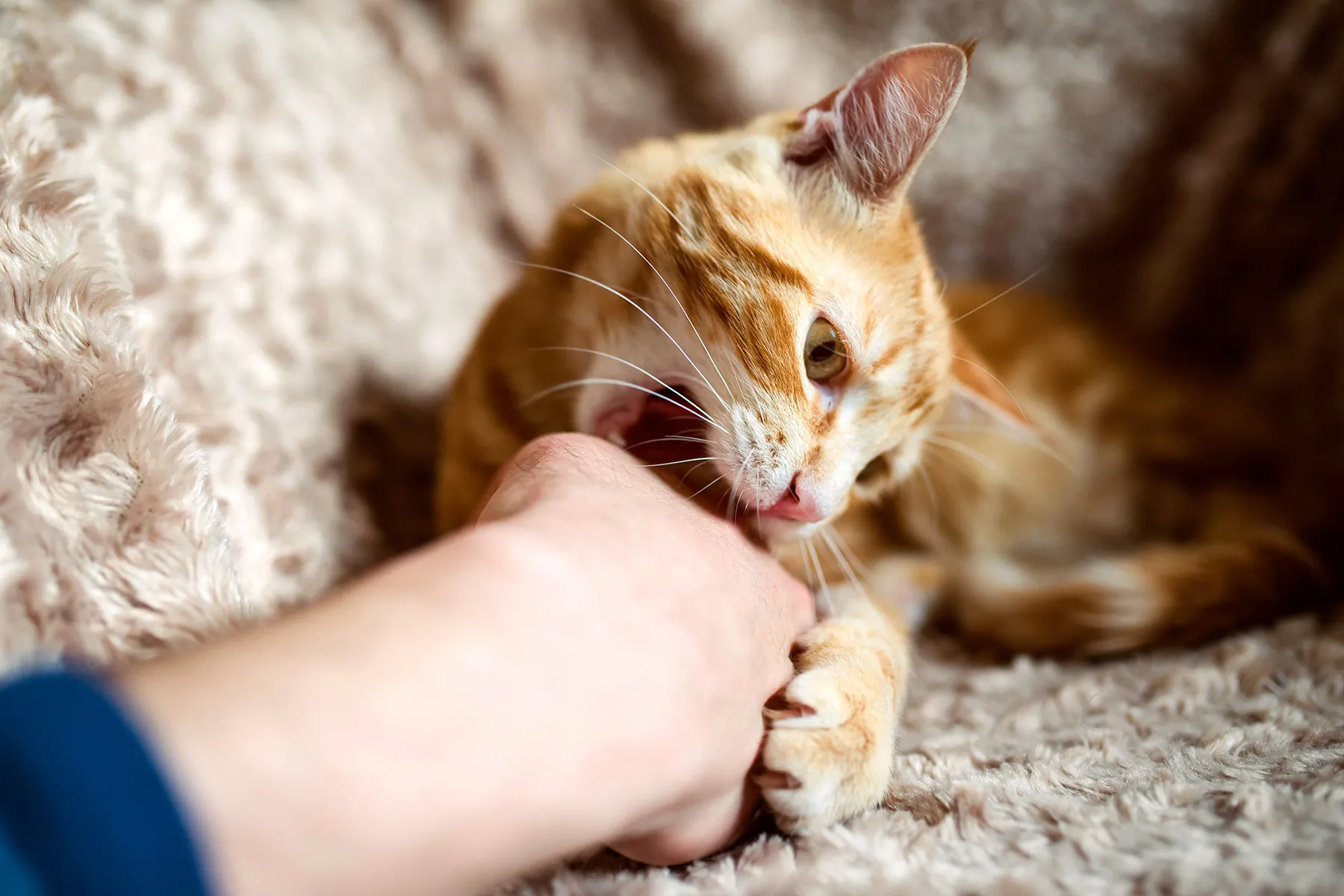
Animal Bites
Rabies Protocols
From the friendly beach dogs roaming the south coast to the playful macaques hanging around ancient temples and hiking trails, animal encounters are a memorable part of traveling through Sri Lanka. However, what starts as a fun photo opportunity can sometimes end in an unexpected bite, scratch, or nip.
If you are bitten or scratched by a street dog, cat, or monkey during your trip, it is vital to treat it as a medical priority. Here is exactly what you need to do immediately to protect yourself against infections and rabies.
Step 1: Immediate First Aid (The 15 Minute Rule)
The absolute most important step happens within the first few minutes of the incident. Do not wait to see a doctor before doing this:
- Wash with Soap and Running Water: Immediately flush the wound under clean, running fresh water with ordinary soap for at least 15 continuous minutes.
- Why this works: The physical action of scrubbing with soap and water is incredibly effective at washing away and breaking down viral particles—including the rabies virus present in the animal's saliva—before it can bind to your nerve endings.
- Apply an Antiseptic: After a thorough washing, dry the area and apply an antiseptic solution like iodine or rubbing alcohol if you have it available.
Step 2: Understand the Rabies Risk & Protocol
While Sri Lanka has made massive progress in controlling rabies, the virus is still active in wild and stray mammal populations. Rabies is entirely preventable, but it requires prompt action.
Crucial Medical Rule: Any break in the skin from a stray animal—even a tiny scratch from a monkey's claw or a small nip from a puppy that doesn't bleed heavily—requires professional medical evaluation for Post Exposure Prophylaxis (PEP).
The standard medical protocol includes:
- The Anti Rabies Vaccine (ARV): A highly effective series of small injections given on specific days (usually days 0, 3, 7, and 21) to train your immune system to fight off the virus.
- Tetanus Booster: Animal mouths carry deep tissue bacteria, so ensuring your tetanus coverage is up to date is a standard safety measure.
- Rabies Immunoglobulin (ERIG): If the bite is deep or located close to the face, neck, or hands, a doctor will administer emergency antibodies directly into the wound site for immediate protection while the vaccine builds up.
Step 3: What NOT to Do
- Do NOT Ignore Small Scratches: Monkeys use their claws to groom themselves and defend their territory; a simple scratch can transfer saliva from their paws directly into your skin.
- Do NOT Bandage the Wound Tightly: Let the wound breathe initially. Closing animal bites completely with tight stitches or tight plasters without deep medical flushing traps harmful bacteria inside the tissue, leading to aggressive bacterial infections.
When to Seek Immediate Care
You should see a medical officer within 24 hours of any animal scrape or bite. The faster you start the first dose of the vaccine, the safer and more effective your recovery will be.