
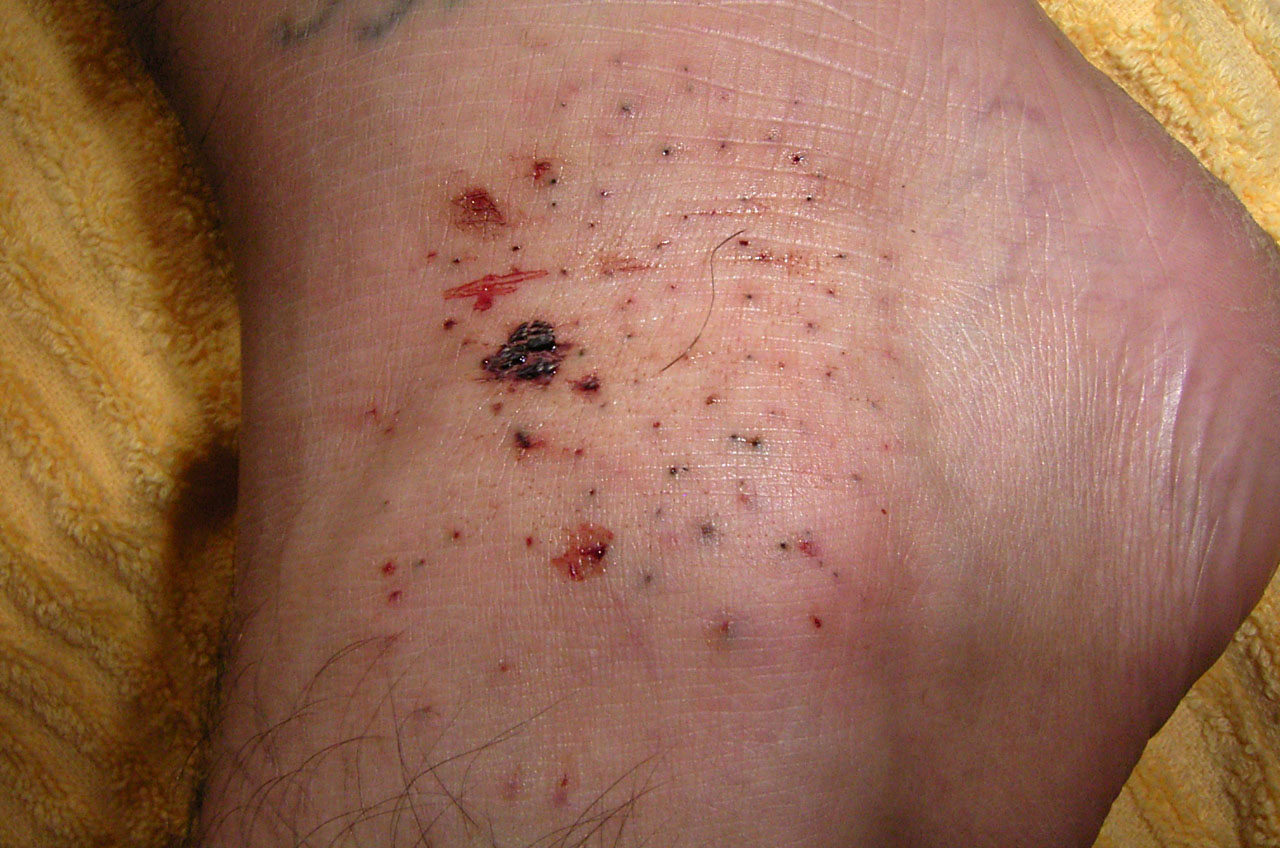
Sea Urchin
Puncture First Aid
Strolling through the shallow coral pools or wading out for a surf session is one of the best parts of exploring Sri Lanka's stunning coastlines. However, hidden inside the crevices of the rocks and reefs are Sea Urchins—small, round marine creatures covered in sharp, brittle, venomous spines.
Accidentally stepping on a sea urchin is a common travel mishap. Because their spines are designed to break off easily inside the skin, knowing how to handle a puncture immediately can prevent severe pain and infection.
Immediate First Aid Steps
If you step on a sea urchin, do not panic. Follow these immediate steps:
- Immerse in Hot Water: As soon as possible, soak the affected foot or area in hot water (as hot as you can comfortably tolerate without burning your skin) for 30 to 90 minutes. The heat helps break down the toxins in the venom and significantly reduces the throbbing pain.
- Do NOT Forcefully Dig Them Out: Sea urchin spines are incredibly brittle and made of calcium carbonate. If you try to aggressively dig them out with tweezers or a sewing needle, they will shatter into tiny fragments deep inside your tissue, increasing the risk of infection.
- Gently Clean the Surface: Wash the area gently with clean fresh water and soap to remove any surface sand or marine debris.
- The Vinegar Method: Applying a compress soaked in ordinary vinegar can help dissolve very shallow, tiny spine fragments over time, as the acid breaks down the calcium.
When to Seek Professional Medical Care
While minor, shallow spines sometimes dissolve on their own over several weeks, you should visit a medical clinic immediately if:
- The spines are located near or inside a joint (like your toe joints or ankle), as this can cause severe movement issues or deep joint infections.
- You have a large number of deep punctures causing intense, unmanageable pain.
- The area becomes highly red, swollen, throbbing, or warm to the touch after 24 hours.
- You experience any severe systemic symptoms like dizziness, nausea, or shortness of breath.
Professional medical officers can safely extract deep or problematic spines using sterile equipment without shattering them, and prescribe necessary antibiotics if an infection has started.