
Fin Injuries
First Aid Guide
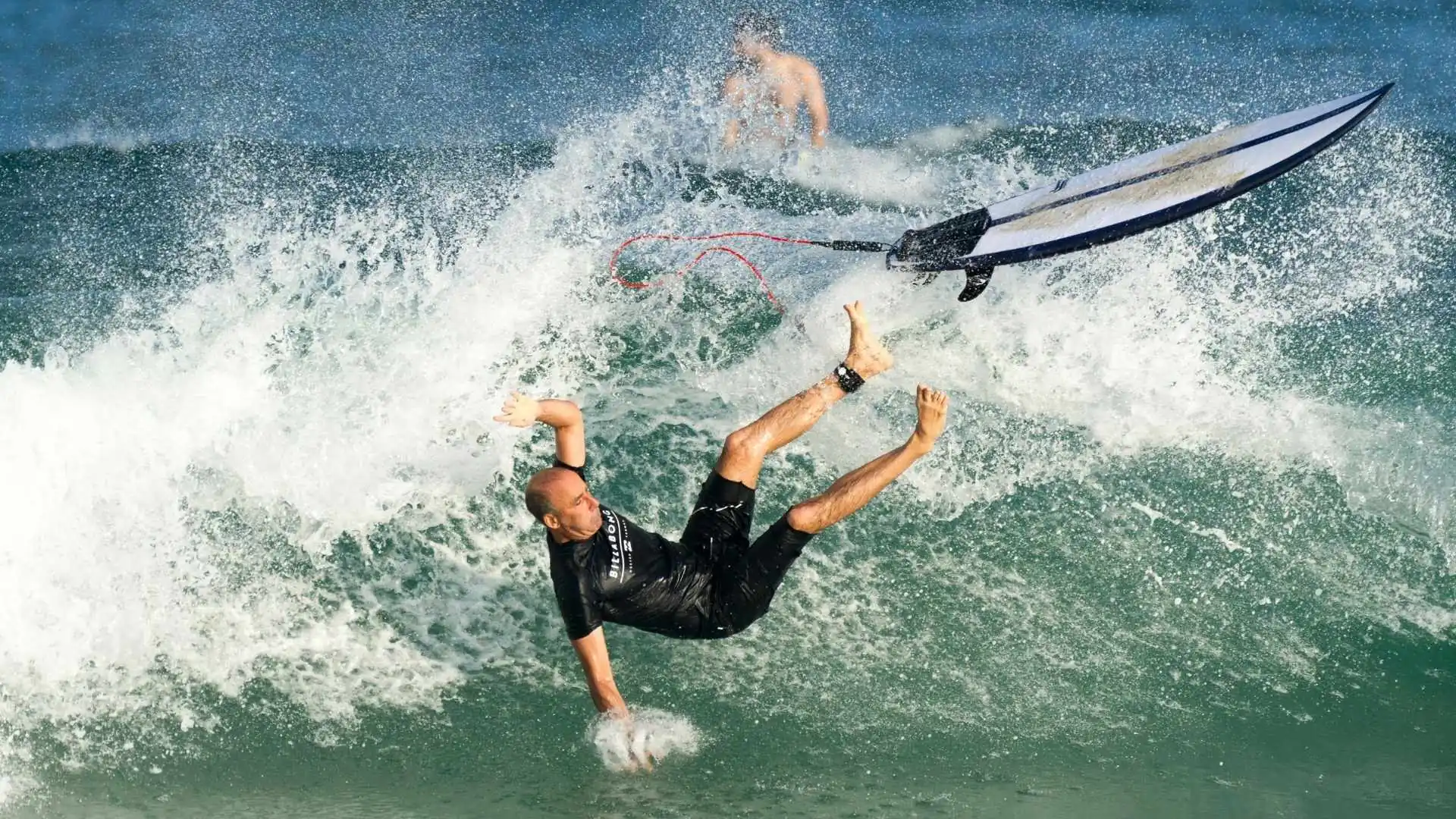
Wiping out is part of the game when surfing Sri Lanka's world class waves. But during a bad fall, a spinning board can quickly turn dangerous. The fins under your surfboard can slice through skin like a blunt knife, causing deep, jagged cuts known as fin lacerations.
Because tropical ocean water is filled with marine bacteria, a deep surfboard fin cut requires fast, proper first aid to stop bleeding and prevent severe complications. Here is what you need to do immediately.
Immediate First Aid for a Surfboard Fin Cut
If you or a friend gets struck by a surfboard fin, act quickly:
- Get Out of the Water Immediately: Do not stay in the lineup. A deep cut bleeds heavily, and open wounds in the ocean are highly susceptible to marine bacteria.
- Apply Direct Pressure: Use a clean towel, t-shirt, or rash guard to press firmly down on the wound. Hold continuous pressure for at least 5 to 10 minutes without lifting the cloth to check. This is the single most important step to stop the bleeding.
- Elevate the Injury: If the cut is on a leg or arm, raise it above the level of the heart while maintaining pressure to help slow down the blood flow.
- Rinse ONLY with Clean, Fresh Water: Once the heavy bleeding slows, gently flush the wound with clean, bottled fresh water or sterile saline. Do not use ocean water to clean the cut, as it carries harmful bacteria that thrive in warm tropical climates.
Why Fin Cuts Usually Need Medical Stitches
Many surfers make the mistake of just putting a waterproof plaster over a deep fin cut and trying to paddle back out the next day. This is highly risky for two main reasons:
- Deep Tissue Damage: Fins cause deep, blunt force lacerations. If the cut is deep enough to see yellow fat tissue or muscle, it must be closed with medical stitches or surgical glue to heal correctly without leaving debilitating scar tissue.
- The Infection Risk: Closing a wound that still has trapped marine bacteria inside will cause a deep, painful abscess. A doctor needs to professionally clean, flush, and properly dress the laceration, often prescribing preventive antibiotics to ensure it heals safely.
When to Seek Emergency Care
Get to a medical clinic immediately if the cut is bleeding heavily and won't stop after 10 minutes of direct pressure, if the wound edges gap wide open, or if you feel numbness or tingling below the injury site (which can indicate nerve damage).